

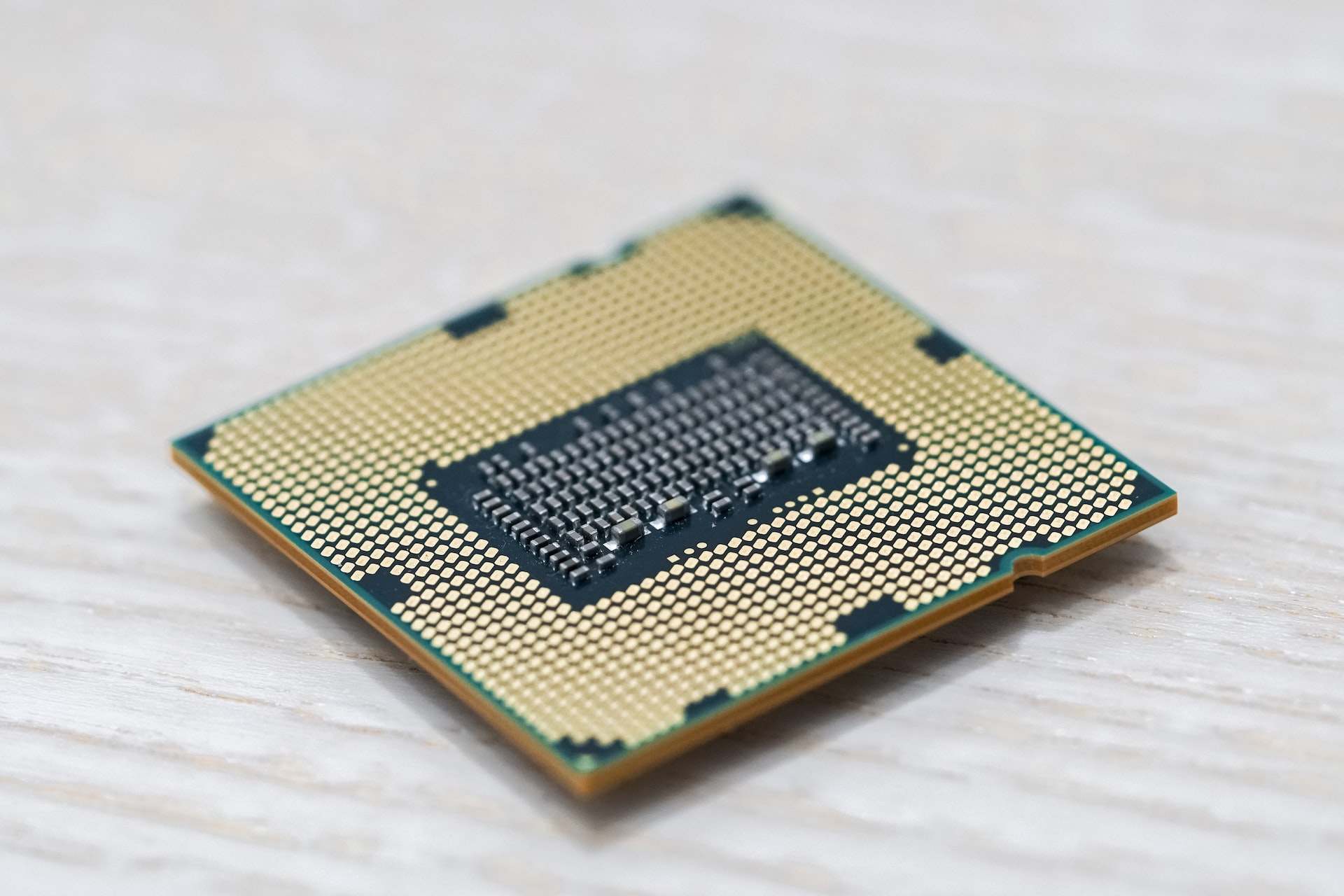
When will the global chip shortage end? These are two very important questions that need to be asked.
Abil, a global manufacturing company, had given a somewhat bleak forecast on this issue. They say that based on market data and conversations with their customers, they expect the basic semiconductor market to be constrained well into 2023. The market for complex semiconductors (microcontrollers, microprocessors and FPGAs, to name a few) will be tight throughout 2023, they added. There has simply never been higher demand for semiconductors. They expect the semiconductor industry to grow by approximately 7% between 2021 and 2022, from $595 billion to $639 billion.
How are companies responding to the chip shortage?
The global chip shortage started in 2020 and is an ongoing problem where the demand for integrated circuits such as computer chips is far greater than supply. This chip shortage saga continues in 2022. Some experts believe that the situation will improve during 2022 whilst others are believe that the crisis will continue during 2023.
What is a semiconductor?
A semiconductor is a material which conducts electrical current only partially. Semiconductors can be found in almost everything from cellphones, calculators, watches, laptops and television screens and even fridges. Most semiconductors are crystals made of certain materials, and the most common one used in electronic applications is silicon.
What are policymakers doing to solve the chip shortage problem?
EU Chips Act
Member of the European Parliament Dan Nica is pushing for “a clear added value for all the member states” in a draft report presented to the European Parliament. There are concerns that the EU Chips Act would only benefit large countries with stronger economise to subsidise expensive chipmaking facilities.
The Chips Act provides for “mega fab” facilities that are equipped to advance Europe’s technological status and receive public subsidies. This will allow for product innovation and contribution to the European Union and global supply security. It will also allow for processing raw mate, manufacturing materials, or equipment needed in semiconductor manufacturing.
What are corporates doing to help solve the global chip shortage problem?
Honda Japan cuts car production output by 40%
Honda Motor Co in Japan said on 22 September 2022, it would reduce car output by up to 40% at two Japan-based plants in early October because an ongoing chip shortage and logistical problems.
This logistical move proves that automakers are likely to continue to face chip shortages into 2023. Could this be the beggining of a trend with other auto manufacturers globally? The assembly plant in Saitama prefecture, will also cut production by approximatley 30%. furthermore, Honda indicated that it would also cut vehicle output at Saitama by approximatley 40% and 20% at Suzuka during the month of September.
When will the global chip shortage end?
Chip shortage to last past 2023, says Volkswagen
Supply chain shortages created by the global pandemic have exacerbated a chip shortage for almost two years now, and Volkswagen doesn’t think it will be resolved any time soon.
“There will likely still be a structural shortfall in semiconductors up to and including 2023,”
Murat Aksel, Volkswagen’s head of procurement, told a German trade publication, Automobilwoche, on 19 September 2022.
Aksel said that existing geopolitical uncertainty surrounding major chip producing countries like Taiwan is making things increasingly bleek. He further stated that with the new geopolitical issues, it is going to get even more complex and challenging.